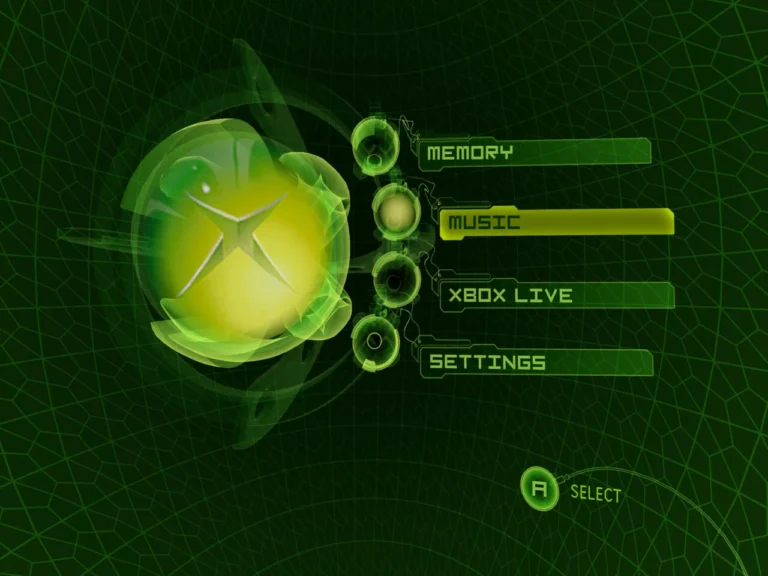
If you’re trying to run original Xbox games on PC and keep hitting slowdowns, crashes, or black screens, your hardware might be the real problem — not the emulator. I’ve tested Xemu on everything from old laptops to mid-range gaming rigs, and performance varies wildly depending on CPU, GPU, and memory balance. This guide breaks down Xemu emulator system requirements in real-world terms, not spec-sheet theory.
What are Xemu’s true minimum PC requirements?
On paper, Xemu looks lightweight. In practice, low-end systems struggle even with simple games.
From testing, you’ll need at least a quad-core CPU from the last 8–10 years, 8GB RAM, and a GPU that supports modern Vulkan or OpenGL features. Integrated graphics technically work, but expect unstable frame pacing and shader glitches.
If you’re just getting started, I’d recommend reading **👉 Getting started with emulation before tweaking anything. It saves a lot of frustration.
What specs are recommended for smooth gameplay?
For consistent 60 FPS and fewer graphical issues, mid-range hardware is where Xemu becomes enjoyable.
A modern 6-core CPU, 16GB RAM, and any dedicated GPU from the last 6–7 years makes most titles run cleanly. Texture-heavy games benefit more from GPU strength than CPU clocks, which surprised me at first.
This setup also reduces random stutters that show up during cutscenes and loading transitions.
Why does Xemu struggle on some systems even above minimum specs?
This emulator is still under active development, and Xbox hardware was weirdly complex.
Some CPUs handle its instruction translation better than others, even at similar clock speeds. I’ve seen newer low-power laptop chips perform worse than older desktop CPUs.
If games won’t boot at all, check **👉 Common emulator launch errors — missing BIOS files and incorrect paths cause more failures than hardware itself.
Does GPU matter more than CPU for Xemu?
Both matter, but GPU quality affects stability more than raw FPS.
Low-end GPUs tend to glitch textures, break lighting, or crash during transitions. CPU power mostly affects consistency and loading times.
If you want deeper tuning, **👉 Advanced performance optimization tips covers shader caching, backend changes, and threading tweaks that actually help.
Laptop vs desktop performance differences
Laptops often meet the minimum specs on paper but throttle under load.
Thermal limits, shared memory, and weaker sustained clocks cause random drops during longer sessions. Desktop systems stay stable longer, even with similar parts.
If you’re gaming on a laptop, expect more trial-and-error.
FAQs
Can Xemu run on 4GB RAM systems?
Technically yes, but background processes alone can cause crashes or severe stutter. I wouldn’t recommend it.
Is a dedicated GPU required?
Not required, but highly recommended. Integrated graphics work inconsistently across game libraries.
Does Xemu benefit from more than 6 CPU cores?
Not much. Clock speed and IPC matter more than core count beyond six cores.
Why do some games run slow even on powerful PCs?
Some titles are still poorly optimized in Xemu’s compatibility layer. Hardware can’t always fix emulator-side issues.
Final thoughts
Xemu isn’t demanding, but it’s picky. Meeting the minimum specs doesn’t guarantee smooth gameplay — balanced hardware does. From experience, upgrading GPU stability mattered more than CPU power in most cases, and thermal limits hurt laptops badly.
If you’re serious about Xbox emulation, aim closer to the recommended specs. It’ll save you hours of troubleshooting later.