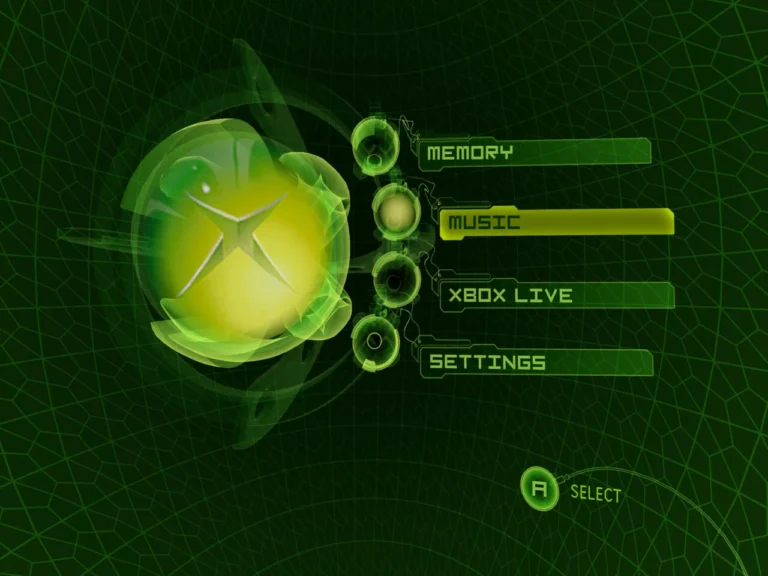
It’s frustrating when Xemu runs slow on a high-end PC. You look at your specs, shrug, and wonder how an Xbox emulator can struggle on modern hardware. I’ve been there. The issue usually isn’t power. It’s how Xemu uses that power.
Is Xemu Actually Using Your Hardware?
Xemu doesn’t scale like modern games. It relies heavily on specific CPU behavior and accurate timing, not brute-force performance. That means a powerful GPU or extra CPU cores often sit idle.
If your setup skipped a proper basic emulator setup guide, Xemu may be running with conservative defaults that limit performance from the start.
Why High-End CPUs Can Perform Worse
Modern CPUs boost and throttle aggressively. Xemu hates sudden clock changes. When the CPU drops frequency for a split second, emulation timing slips, causing stutter or slowdowns.
On my system, switching from balanced to high-performance mode instantly fixed “random” slow behavior that made no sense given the hardware.
GPU Power Doesn’t Equal Emulator Speed
Xemu is rarely GPU-bound. Running at extreme resolutions or forcing driver-level enhancements just increases latency and frame pacing issues. I’ve seen 4K output run worse than 1080p with zero visual benefit.
This often gets misdiagnosed as a GPU problem when it’s really one of many performance-related issues tied to timing and scheduling.
Background Tasks and Overlays Matter More on Fast PCs
Ironically, high-end PCs tend to run more stuff. RGB software, hardware monitors, overlays, background updaters. Xemu is extremely sensitive to CPU interruptions, even tiny ones.
Disabling overlays and unnecessary background apps reduced stutter more than any graphics tweak I tried.
The Cache and Timing Trap
Xemu’s cache behavior can hurt performance if it’s constantly rebuilding data. Clearing cache too often causes repeated stutter. Never clearing it can allow corrupted data to slow things down.
When performance suddenly tanks on a powerful PC, clearing cache once is worth testing, then leaving it alone.
Advanced Fixes That Actually Work
Pinning Xemu to physical CPU cores helped smooth heavy scenes on my high-core system. It’s not required, but it’s one of those advanced optimization techniques that makes a difference once basics are handled.
Fullscreen exclusive mode also improved frame pacing compared to borderless or windowed modes.
FAQs About Xemu Running Slow on High-End PCs
Why is CPU usage low but performance bad?
Because Xemu is limited by timing, not total CPU usage.
Does more RAM help Xemu?
Not much. CPU behavior matters far more than memory size.
Is this a bug or normal behavior?
It’s expected with emulation accuracy. Configuration fixes most cases.
Should I downgrade my settings?
Yes. Lower, stable settings usually outperform extreme ones.
Community-Style Conclusion
When Xemu runs slow on a high-end PC, it’s rarely the emulator “failing.” It’s usually power management, timing, or background noise holding it back. From my experience, starting with a basic emulator setup guide, identifying performance-related issues, and applying advanced optimization techniques fixes the mismatch between hardware and results. Once tuned, Xemu finally behaves like it should.