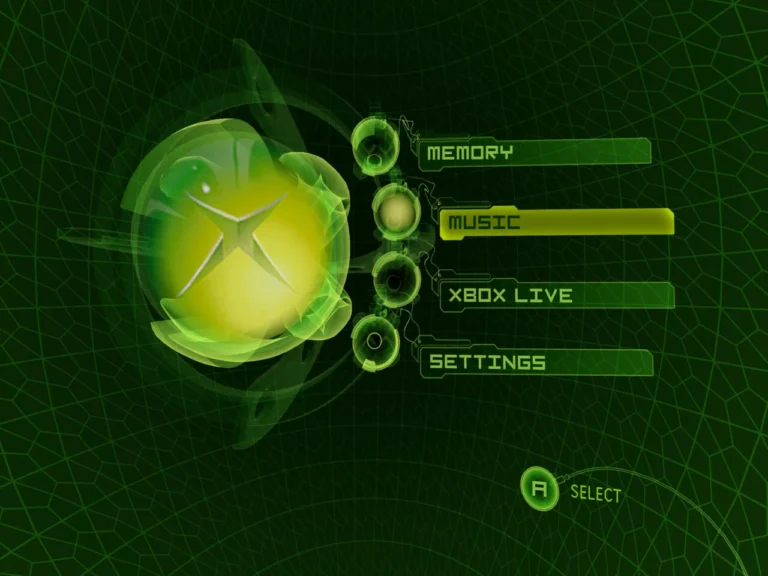
Using Xemu for a while, you’ve probably wondered where it’s headed. The future of Xemu emulator isn’t about flashy features as much as slow, deliberate progress. I’ve followed its updates closely, and the pattern says a lot about what’s coming next.
Xemu isn’t chasing hype. It’s chasing correctness, and that shapes its future more than any roadmap ever could.
Is Xemu still actively improving?
Yes, but not in the way people expect. Development is steady, not loud. Big changes often land quietly, improving accuracy or stability rather than adding visible features.
That can make the emulator feel “stuck” if you only glance at version numbers. In reality, a lot of work happens under the hood. If you’re new and want context, starting with a basic emulator overview helps you see how far it’s already come.
Compatibility will grow, but slowly
The biggest expectation people have is broader game compatibility. That will continue, but don’t expect sudden leaps. Each new supported title often requires deep system-level fixes.
From my experience, games that almost work today tend to become stable before entirely new ones appear. When something breaks after an update, it’s usually temporary. I’ve fixed post-update issues more than once by leaning on a common boot error fix, which explains why regressions happen.
Performance gains will be incremental, not magical
Xemu isn’t likely to suddenly double performance across the board. Most gains will come from better threading, timing accuracy, and host GPU utilization.
What will improve is consistency. Fewer random stutters. More predictable frame pacing. Those changes matter more than raw FPS once you’re actually playing. Users who already tweak their setups will benefit the most, especially if they follow advanced optimization techniques as the emulator matures.
UI and usability changes are secondary
Don’t expect a massive UI overhaul soon. Xemu prioritizes function over polish, and that probably won’t change.
That said, small usability improvements tend to sneak in. Better logging, clearer errors, and safer defaults all point toward an emulator that’s less intimidating over time, even if it never looks flashy.
What likely won’t change
Xemu will probably never be “plug and play” like a modern console. Legal constraints, BIOS requirements, and hardware complexity make that unrealistic.
It also won’t rush releases. If you value stability, that’s a good thing. If you want rapid features, it can feel frustrating.
FAQs
Will Xemu ever reach 100% compatibility?
Unlikely. Some edge-case titles may always remain problematic.
Is development slowing down?
It looks quiet, but meaningful changes still happen regularly.
Will Xemu replace real hardware someday?
It will get closer, but full replacement isn’t the goal.
Should I update Xemu as soon as new builds drop?
I usually wait. Early adopters find bugs so the rest of us don’t have to.