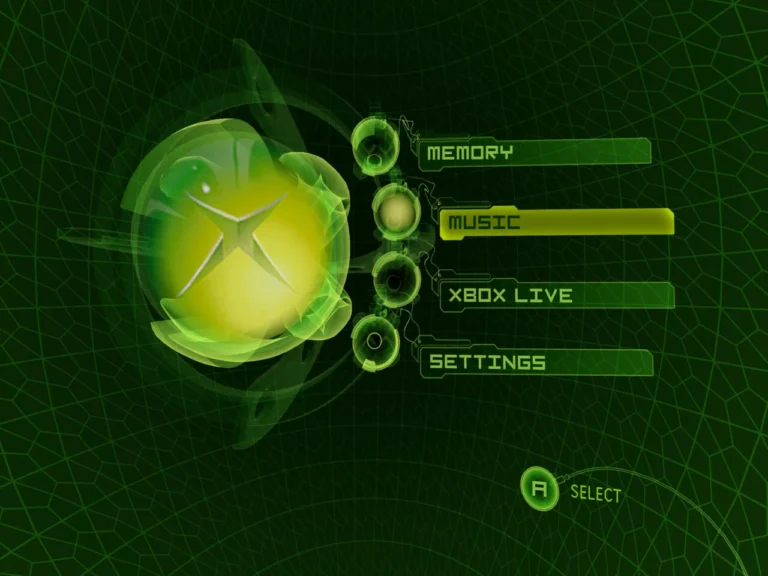
Understanding MCPX in Xemu can feel overwhelming at first. I remember staring at error logs and wondering why certain games wouldn’t boot. MCPX is essentially the part of Xemu that handles the Xbox’s Media Communications Processor, which is critical for audio, video, and some hardware-level functions. Without it, the emulator can’t replicate key console behaviors accurately, leading to crashes or glitches. In this guide, I’ll break it down in simple terms, sharing insights you won’t find in official documentation.
What Does MCPX Do?
Think of MCPX as the Xbox’s translator between the CPU and multimedia components. It manages sound output, video decoding, and sometimes handles controller inputs indirectly. In Xemu, a properly functioning MCPX ensures games run as close to the original console as possible. From my experience, skipping MCPX troubleshooting often causes confusing errors that seem unrelated to BIOS or game files.
How MCPX Affects Game Performance
A misconfigured or unoptimized MCPX can lead to stuttering, missing audio, or graphical glitches. Early on, I assumed low FPS was my PC’s fault, but tweaking MCPX settings solved the issue entirely. For beginners, following a foundational guide for Xemu setup helps ensure MCPX is initialized correctly. Proper setup prevents repeated headaches and makes emulator behavior more predictable.
Common Errors Related to MCPX
Many users encounter MCPX-related errors without realizing it. One common issue is “audio device not found,” which often points to MCPX initialization problems. I’ve also seen graphical tearing linked directly to how MCPX processes video. Consulting a common error and fix guide for Xemu can save hours of trial-and-error. Always check logs carefully; MCPX errors are usually flagged early in the boot sequence.
Advanced MCPX Optimization Tips
For power users, fine-tuning MCPX parameters can unlock smoother performance. Adjusting frame buffer settings, audio output, or memory allocation often results in more stable gameplay. Pairing these tweaks with advanced emulator optimization techniques can bring low-end PCs closer to high-end performance levels. I’ve found that minor adjustments here often fix persistent stutter that no other setting addresses.
FAQs About Xemu MCPX
Is MCPX required for all games? Yes, nearly every Xbox game relies on MCPX for proper audio and video processing, making it essential for accurate emulation.
Can MCPX issues cause crashes? Absolutely. If the emulator fails to initialize MCPX, games may not start or could crash during gameplay.
Do I need to update MCPX separately? No, MCPX updates are bundled with Xemu releases, but always check compatibility when updating the emulator.
How do I know MCPX is working? If your game boots with correct sound and visuals, MCPX is functioning correctly. Logs also indicate successful initialization.
Will MCPX tweaks harm my system? No, adjustments are within Xemu and don’t affect your PC hardware. Always test changes incrementally.
Conclusion
MCPX might seem complex, but it’s just Xemu’s way of managing the Xbox’s multimedia functions. Understanding its role and keeping it properly configured ensures games run smoothly. Combining a foundational guide for Xemu setup, insights from common error and fix guides, and advanced optimization techniques gives both beginners and advanced users confidence to tackle MCPX without fear. From my experience, investing time here pays off in stable, authentic gameplay.